Free shipping on all orders
Cat Furniture
Cat Trees
Explore PawHut cat trees with scratching posts, condos, hammocks, platforms, and multi-level climbing spaces for active indoor cats.
Shop by Style
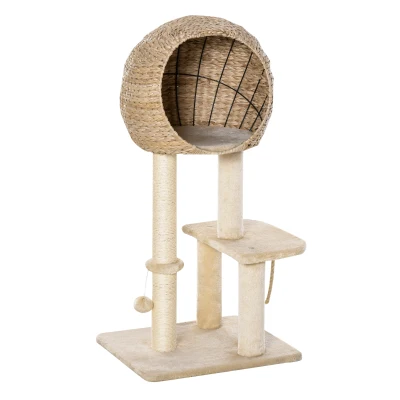
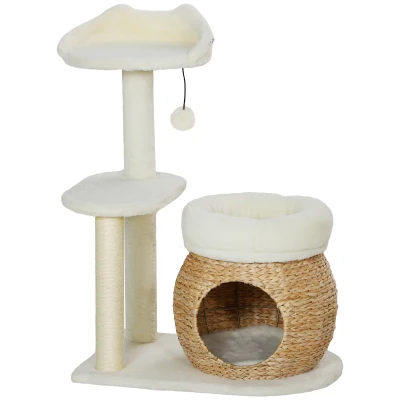
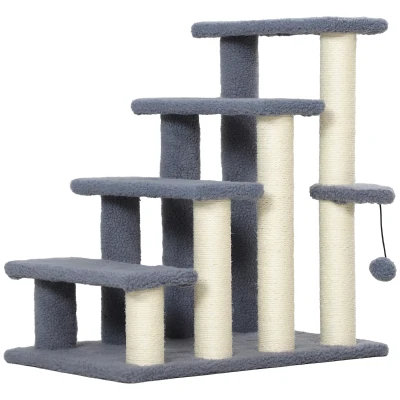
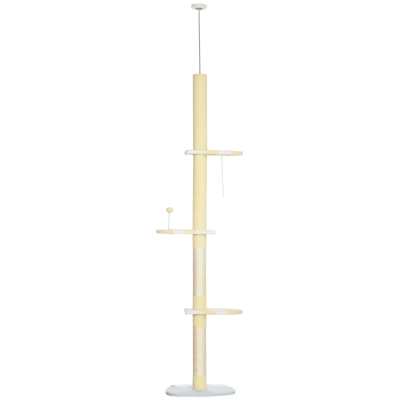
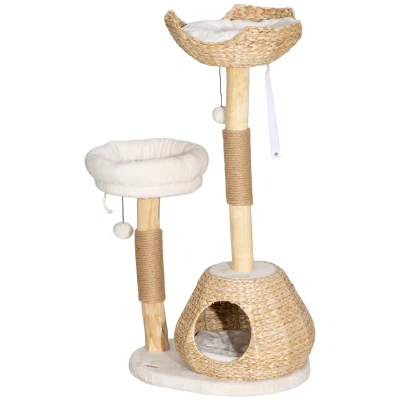
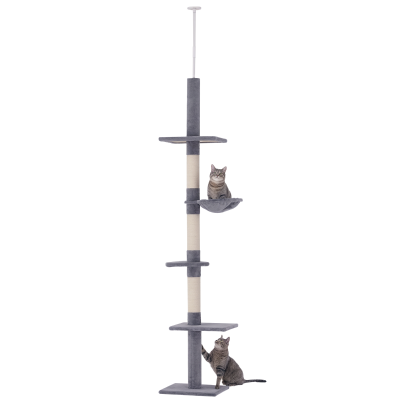
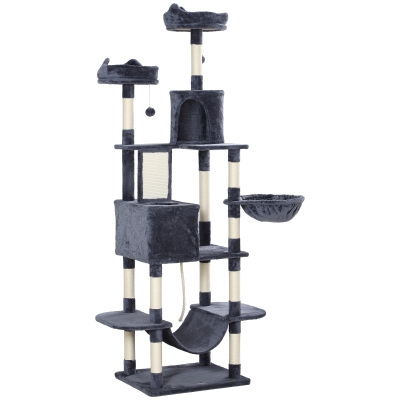
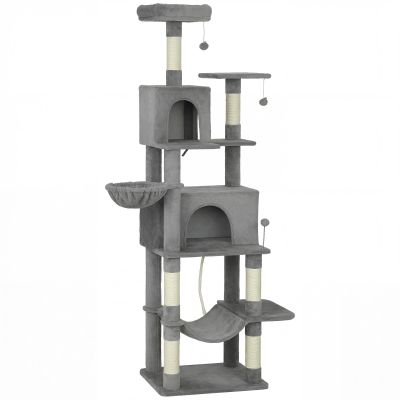
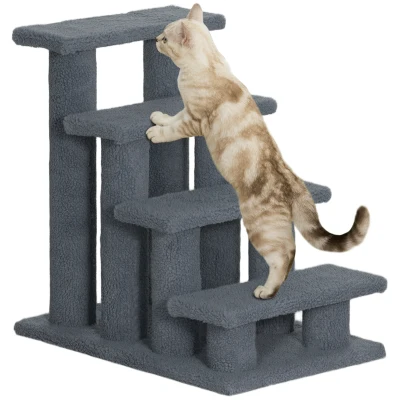
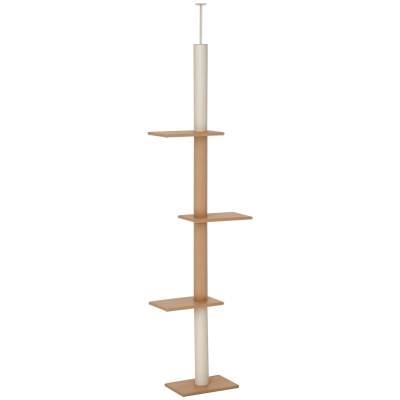
Cat Trees by PawHut
Start with climbing, scratching, and territory
Cat Trees should start with the job it has to do: combine climbing, scratching, lookout points, and rest into one vertical station. That choice changes quickly once you look at living rooms, apartments, windows, and multi-cat homes and the habits of cats. For owners solving climbing and scratching in one furniture piece, this page should work like a buying guide: it narrows the product type, highlights the details that matter in daily use, and helps you decide whether the visible design actually solves the problem you are shopping for.
Compare height, base width, sisal, and perches
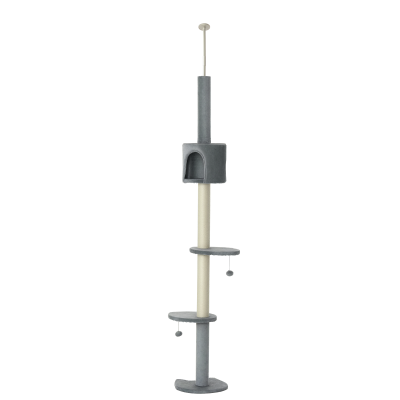
The first comparison is fit. In this category, compare total height with ceiling clearance and base width with how forcefully the cat jumps. Then compare the product entities that change the experience most: sisal posts, perches, condos, and scratching ramps. When product cards include options such as PawHut 110″ Adjustable Cat Tree, 4-Tier Activity Center, PawHut 25″ Carpeted Cat Scratching Post Stairs, Gray, and PawHut 8.5′ Adjustable Cat Tree, Floor-To-Ceiling, Gray/White, read the name carefully because words like raised, folding, wooden, metal, removable, rolling, large, portable, or waterproof; those words usually point to a real difference in how the item is built and where it belongs.
Think about hair, claw wear, and room layout
Before choosing, picture the weekly routine around this product. Vacuum-friendly platforms and replaceable-looking sisal areas are worth considering for long-term use. Safety should be checked in the same practical way: look for a broad base, balanced platform spacing, and no narrow perch that tips under movement. These details often matter more than color because they affect how the product behaves after repeated use, cleaning, movement between rooms, outdoor exposure, or contact with claws, paws, beaks, bedding, food, water, or loose fur.
When another cat category makes more sense
To compare PawHut options more confidently, start with height, base footprint, sisal coverage, condo size, and perch layout. If two products look similar, check the small differences first: entry height, interior clearance, support points, fabric or frame material, tray access, door swing, caster locks, perch spacing, roof coverage, or the way the product folds and stores. If this page is close but not quite right, compare it with Multi-Level Cat Trees or Adjustable Cat Trees and choose the category that fits the animal’s daily behavior, the available space, and the amount of maintenance you realistically want to do.
FAQs
How do I know if Cat Trees fit my cat's habits?
Start with whether your cat wants height, privacy, scratching, warmth, or litter privacy. Then compare sisal posts, perches, condos, and scratching ramps.
What size detail is easiest to miss?
compare total height with ceiling clearance and base width with how forcefully the cat jumps
Are these better for one cat or multiple cats?
Check usable platforms, entries, resting zones, and base stability. Multi-cat homes need more than one comfortable stop, not just extra height.
How should I think about cleaning?
vacuum-friendly platforms and replaceable-looking sisal areas are worth considering for long-term use
What makes a PawHut cat product feel stable?
look for a broad base, balanced platform spacing, and no narrow perch that tips under movement
What should I compare with Multi-Level Cat Trees or Adjustable Cat Trees?
Use Multi-Level Cat Trees or Adjustable Cat Trees when your cat's main need is different from this category's core job: combine climbing, scratching, lookout points, and rest into one vertical station.
Guides
View all articles →