 Free shipping on all orders
Cat Furniture
Cat Beds
Browse PawHut Cat Beds for cats, including space-saving furniture, cozy rest areas, scratching surfaces, and designs that fit real homes.
Shop by Style
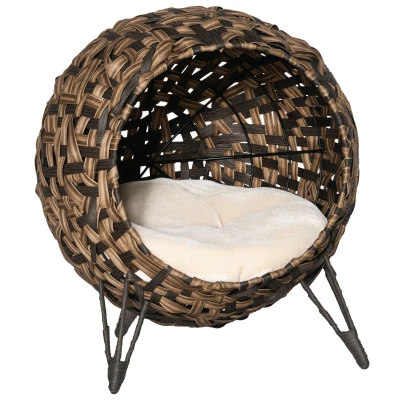
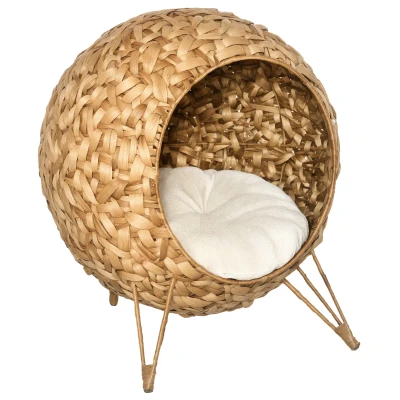
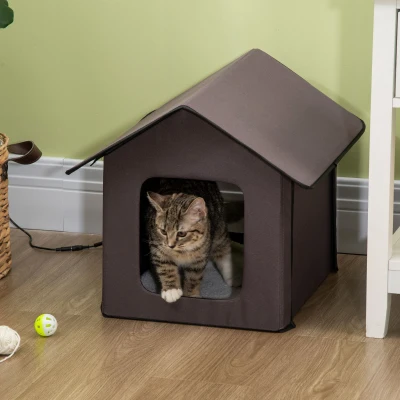
Cat Beds by PawHut
Start with the way the pet actually rests
Cat Beds should start with the job it has to do: offer a secure resting zone that feels warm, enclosed, or elevated enough for cat habits. The right product is usually the one that fits window corners, bedrooms, sofas, shelves, and quiet rooms and the habits of cats. For owners choosing comfort around feline sleep behavior, let the page help you separate useful features from decoration: it narrows the product type, highlights the details that matter in daily use, and helps you decide whether the visible design actually solves the problem you are shopping for.
Match support, shape, and room placement
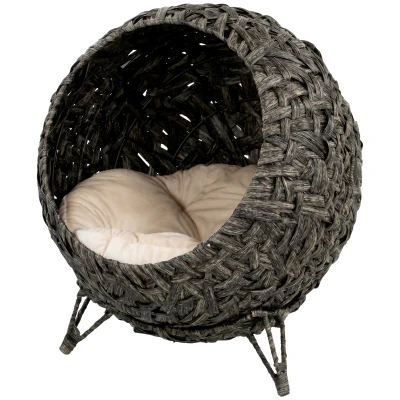
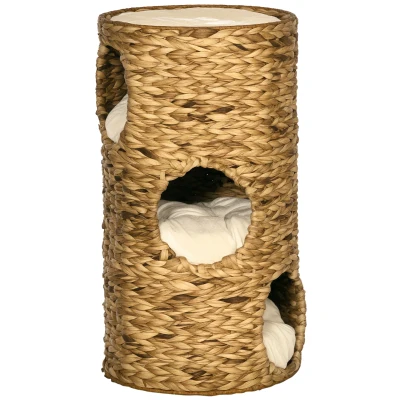
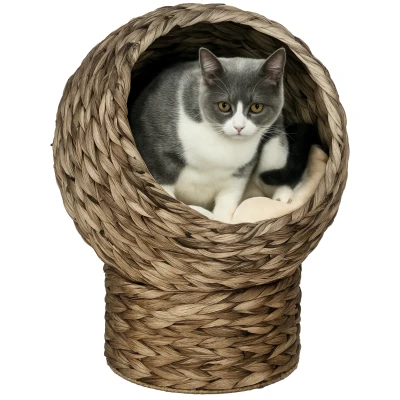
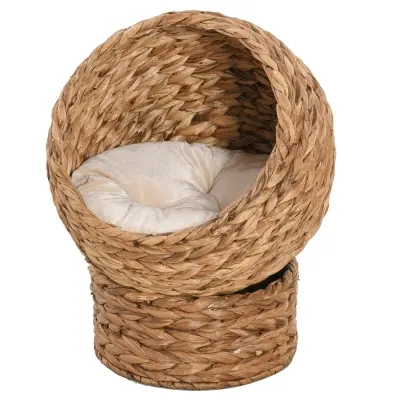
The first comparison is fit. In this category, match the bed diameter to curled sleeping and check whether the cat prefers enclosed or open sides. Then compare the product entities that change the experience most: cave shapes, soft cushions, raised baskets, and washable covers. When product cards include options such as PawHut Elevated Cat Bed, Rotatable Egg Chair Pod, Coffee, PawHut Elevated Cat Bed, Wicker Cat Chair, 23.5″ H, Brown, and PawHut 20″ Braided Banana Leaf Cat Bed Basket, Brown, do not skip small naming details like raised, folding, wooden, metal, removable, rolling, large, portable, or waterproof; those words usually point to a real difference in how the item is built and where it belongs.
Plan for fur, covers, and daily cleaning
Before choosing, look past setup day and plan for repeated use. Removable cushions matter because cat beds collect hair, litter dust, and scent quickly. Safety should be checked in the same practical way: avoid unstable bases, tight entries, or fabrics that snag claws when the cat kneads. These details often matter more than color because they affect how the product behaves after repeated use, cleaning, movement between rooms, outdoor exposure, or contact with claws, paws, beaks, bedding, food, water, or loose fur.
Compare nearby comfort categories
To compare PawHut options more confidently, start with entry shape, cushion softness, cover fabric, warmth, and privacy. When several cards seem to solve the same need, separate them by: entry height, interior clearance, support points, fabric or frame material, tray access, door swing, caster locks, perch spacing, roof coverage, or the way the product folds and stores. If this page is close but not quite right, compare it with Cat Trees with Condo or Outdoor Cat Shelter and choose the category that fits the animal’s daily behavior, the available space, and the amount of maintenance you realistically want to do.
FAQs
How do I know if Cat Beds fit my cat's habits?
Start with whether your cat wants height, privacy, scratching, warmth, or litter privacy. Then compare cave shapes, soft cushions, raised baskets, and washable covers.
What size detail is easiest to miss?
match the bed diameter to curled sleeping and check whether the cat prefers enclosed or open sides
Are these better for one cat or multiple cats?
Check usable platforms, entries, resting zones, and base stability. Multi-cat homes need more than one comfortable stop, not just extra height.
How should I think about cleaning?
removable cushions matter because cat beds collect hair, litter dust, and scent quickly
What makes a PawHut cat product feel stable?
avoid unstable bases, tight entries, or fabrics that snag claws when the cat kneads
What should I compare with Cat Trees with Condo or Outdoor Cat Shelter?
Use Cat Trees with Condo or Outdoor Cat Shelter when your cat's main need is different from this category's core job: offer a secure resting zone that feels warm, enclosed, or elevated enough for cat habits.