 Free shipping on all orders
Small Animal Cages
Reptile Cages
Find PawHut Reptile Cages for small pets with ventilated habitats, secure access, easy-clean trays, and room for daily activity.
Shop by Style
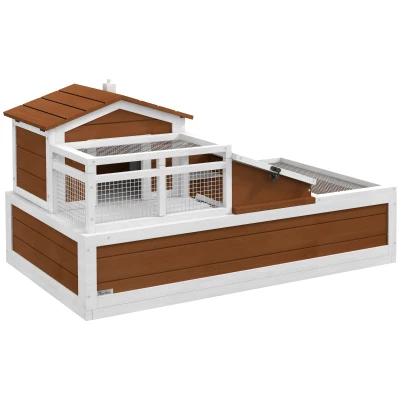
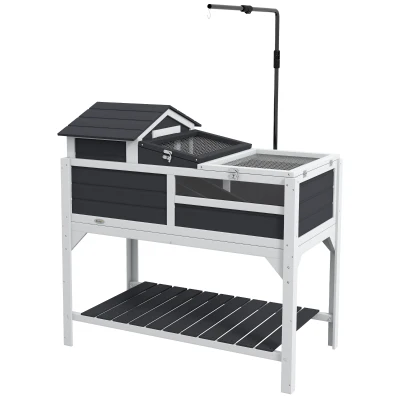
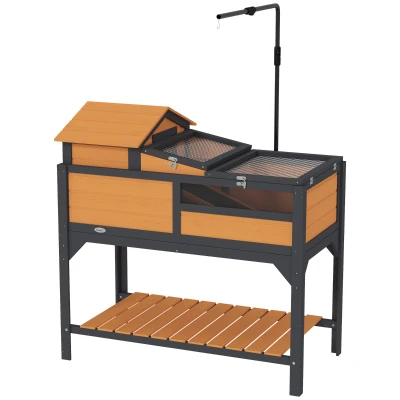
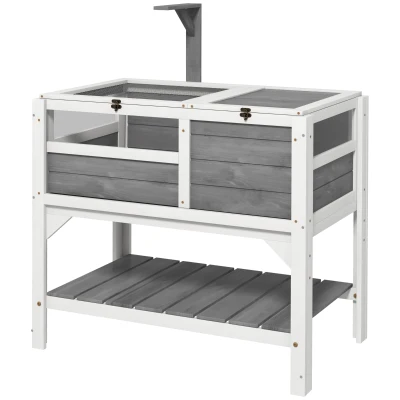
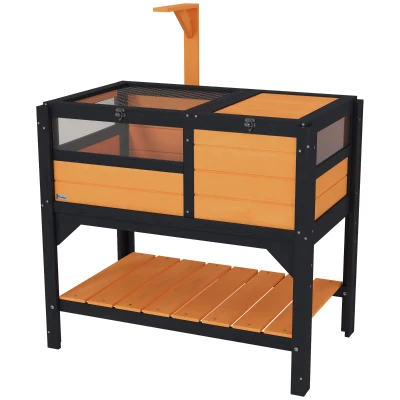
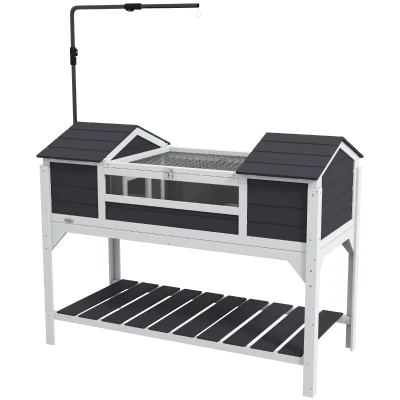
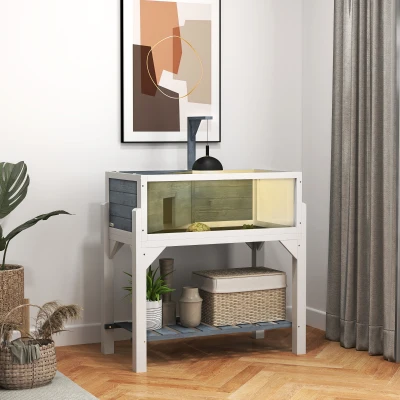
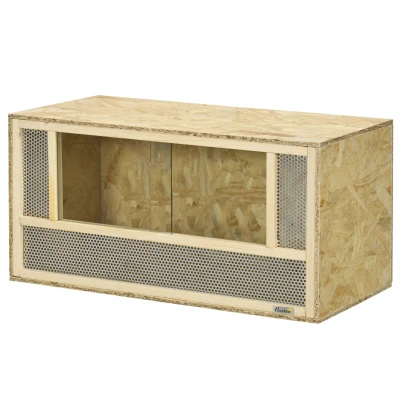
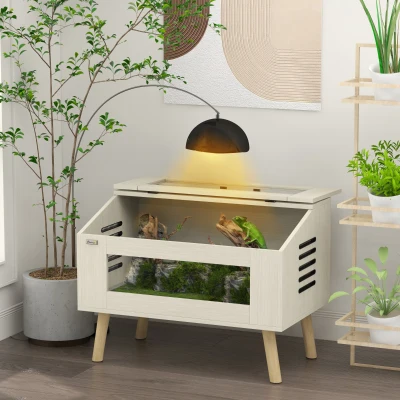
Reptile Cages by PawHut
Design the habitat around movement and bedding
Reptile Cages should start with the job it has to do: support heat, visibility, ventilation, and controlled access. The best option becomes clearer when you weigh indoor reptile rooms, living spaces, and hobby setups and the habits of reptiles. For owners planning habitat control rather than general pet furniture, use this page as a practical comparison point: it narrows the product type, highlights the details that matter in daily use, and helps you decide whether the visible design actually solves the problem you are shopping for.
Compare floor area, ventilation, ramps, and hides
The first comparison is fit. In this category, match enclosure size to species length, heat gradient, and climbing or ground-dwelling behavior. Then compare the product entities that change the experience most: glass or acrylic panels, ventilation slots, locking doors, and lamp access. When product cards include options such as PawHut Tortoise House 44″ L x 25.5″ W x 23.3″ H Yellow, PawHut Tortoise House 40.2″ L x 22″ W x 40.9″ H Yellow, and PawHut Tortoise Habitat with Shelf Storage, Indoor, Gray, watch the product wording because terms such as raised, folding, wooden, metal, removable, rolling, large, portable, or waterproof; those words usually point to a real difference in how the item is built and where it belongs.
Cleaning without disturbing the animal
Before choosing, imagine the first month of ownership. Reptile cages need easy access for substrate changes, water bowls, decor, and glass cleaning. Safety should be checked in the same practical way: secure doors, escape-resistant vents, heat-safe surfaces, and stable lamp placement are key. These details often matter more than color because they affect how the product behaves after repeated use, cleaning, movement between rooms, outdoor exposure, or contact with claws, paws, beaks, bedding, food, water, or loose fur.
Choose the small-pet category by species
To compare PawHut options more confidently, start with ventilation, door lock, viewing panels, heat setup, and substrate depth. When the photos look close, compare the details that change daily use: entry height, interior clearance, support points, fabric or frame material, tray access, door swing, caster locks, perch spacing, roof coverage, or the way the product folds and stores. If this page is close but not quite right, compare it with Tortoise Habitats and choose the category that fits the animal’s daily behavior, the available space, and the amount of maintenance you realistically want to do.
FAQs
What habitat size works best for Reptile Cages?
match enclosure size to species length, heat gradient, and climbing or ground-dwelling behavior
Which features matter for small pets?
Compare glass or acrylic panels, ventilation slots, locking doors, and lamp access. Small animals need usable floor space, ventilation, and access that supports daily care.
How should I plan bedding and cleaning?
reptile cages need easy access for substrate changes, water bowls, decor, and glass cleaning
What safety details should I check?
secure doors, escape-resistant vents, heat-safe surfaces, and stable lamp placement are key
Can these be used indoors or outdoors?
That depends on the specific product and species. In indoor reptile rooms, living spaces, and hobby setups, check weather exposure, airflow, shade, escape resistance, and cleaning access.
When is Tortoise Habitats a better category?
Use the related category if the animal's space, heat, shelter, or movement needs are different from this page's main purpose.