 Free shipping on all orders
Chicken Coops
Medium Chicken Coops
Compare medium PawHut chicken coops for everyday backyard poultry care, including nesting boxes, ramps, pull-out trays, and weather-ready outdoor designs.
Shop by Style

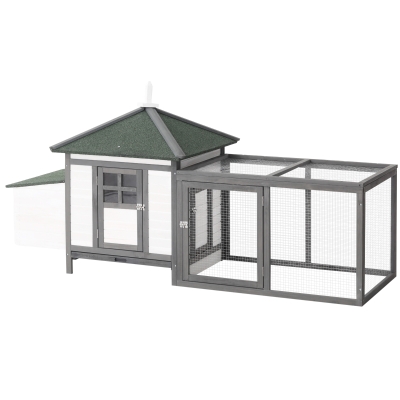
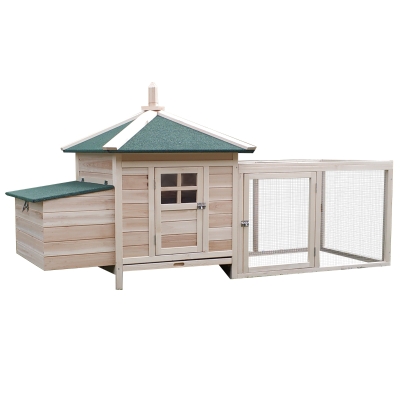
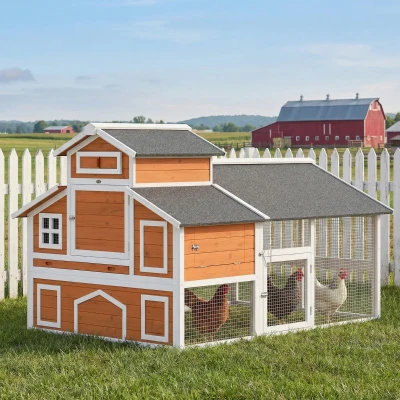

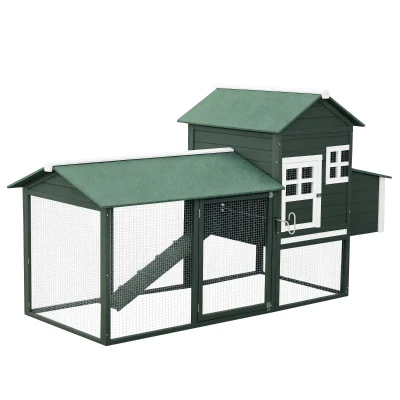
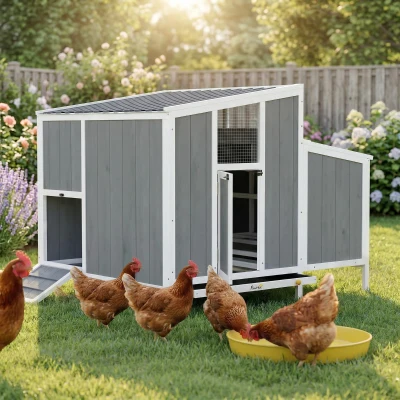
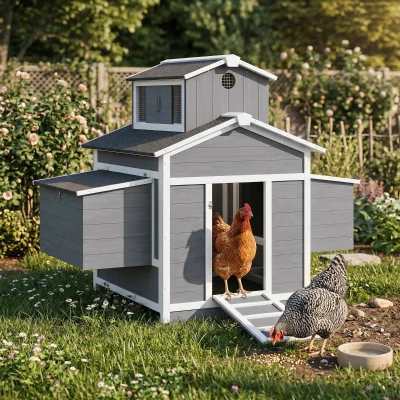
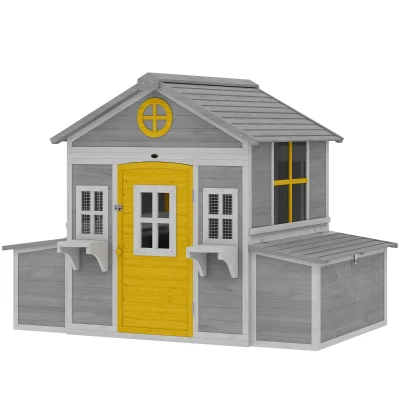
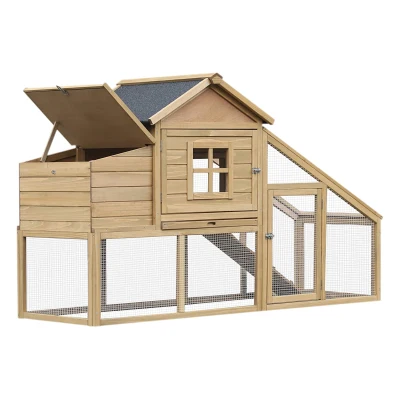
Medium Chicken Coops by PawHut
Plan around flock size and daily chores
Medium Chicken Coops should start with the job it has to do: balance coop capacity with a footprint that still fits typical yards. That choice changes quickly once you look at suburban gardens, side yards, and compact poultry areas and the habits of small backyard flocks. For keepers who need practical capacity without a huge enclosure, this page should work like a buying guide: it narrows the product type, highlights the details that matter in daily use, and helps you decide whether the visible design actually solves the problem you are shopping for.
Compare run space, nesting, roosting, and roof coverage
The first comparison is fit. In this category, compare the bird count with real run space and leave room to walk around the coop for cleaning. Then compare the product entities that change the experience most: nesting box, roosting bars, run panels, and pull-out tray. When product cards include options such as PawHut 77″ Wooden Chicken Coop, Outdoor Hen House, Gray, PawHut 77″ Wooden Chicken Coop with Nesting Box, Green, and PawHut 84″ Wooden Chicken Coop, Outdoor Poultry Cage, Gray, read the name carefully because words like raised, folding, wooden, metal, removable, rolling, large, portable, or waterproof; those words usually point to a real difference in how the item is built and where it belongs.
Cleaning routes and predator-aware details
Before choosing, picture the weekly routine around this product. Medium coops should still have removable trays and reachable corners, not just a nice exterior shape. Safety should be checked in the same practical way: check roof pitch, latch style, ventilation, mesh strength, and whether doors can be opened with one hand. These details often matter more than color because they affect how the product behaves after repeated use, cleaning, movement between rooms, outdoor exposure, or contact with claws, paws, beaks, bedding, food, water, or loose fur.
Choose the poultry category by the job
To compare PawHut options more confidently, start with capacity, footprint, run size, egg access, and tray placement. If two products look similar, check the small differences first: entry height, interior clearance, support points, fabric or frame material, tray access, door swing, caster locks, perch spacing, roof coverage, or the way the product folds and stores. If this page is close but not quite right, compare it with Small Chicken Coops or Large Chicken Coops and choose the category that fits the animal’s daily behavior, the available space, and the amount of maintenance you realistically want to do.
FAQs
How many hens can use Medium Chicken Coops?
Use the product's listed capacity as a starting point, then compare run space, roosting space, nesting access, and your flock's daily routine. Compare the bird count with real run space and leave room to walk around the coop for cleaning.
What weather details matter most?
Look for roof coverage, raised floors, water-shedding edges, ventilation, and materials suited to the spot where the coop or run will sit.
How do I make cleaning easier?
medium coops should still have removable trays and reachable corners, not just a nice exterior shape
What predator-aware details should I check?
check roof pitch, latch style, ventilation, mesh strength, and whether doors can be opened with one hand
Which product entities should I compare?
Compare nesting box, roosting bars, run panels, and pull-out tray, plus footprint, access doors, and how feeders or waterers will fit.
When should I choose Medium Chicken Coops over Small Chicken Coops or Large Chicken Coops?
Choose this page when the current priority is balance coop capacity with a footprint that still fits typical yards. If flock size, weather, or run space is the bigger issue, the related category may be a better starting point.