 Free shipping on all orders
Bird Supplies
Bird Cages
Explore PawHut Bird Cages with secure cage designs, perches, trays, rolling stands, and practical details for everyday bird care.
Shop by Style
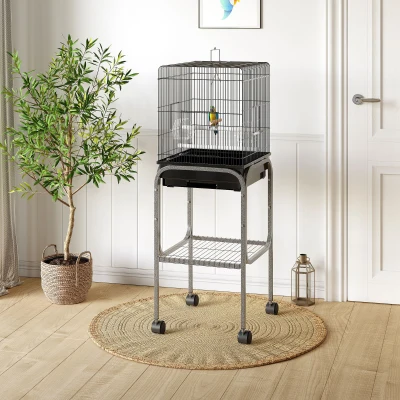
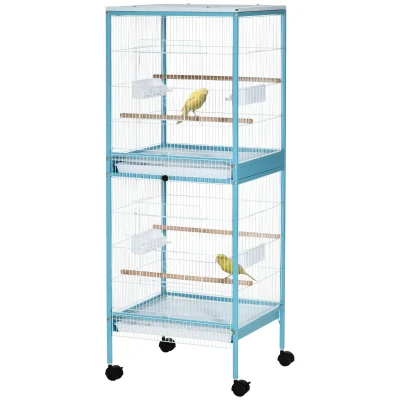
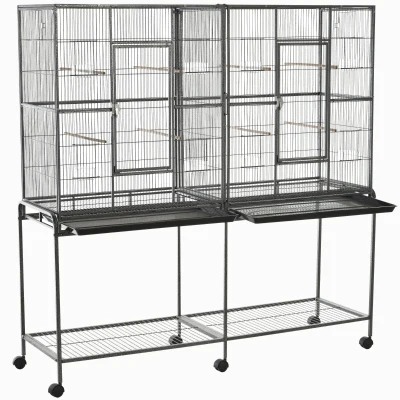
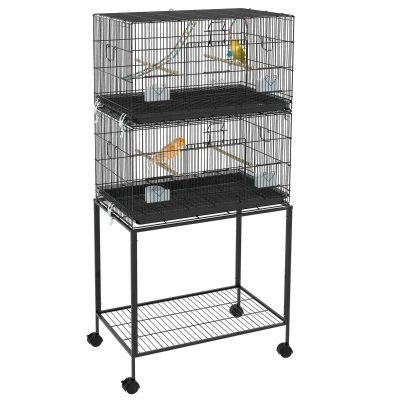
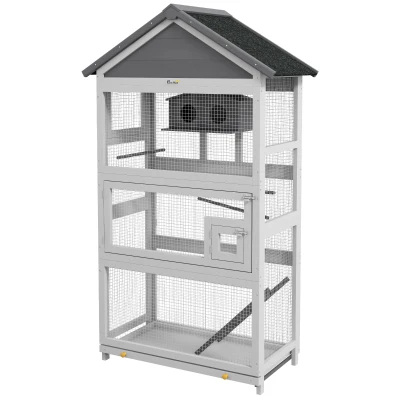
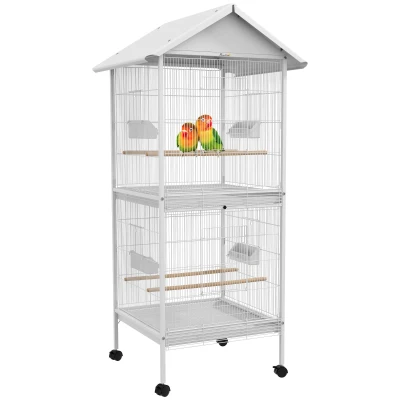
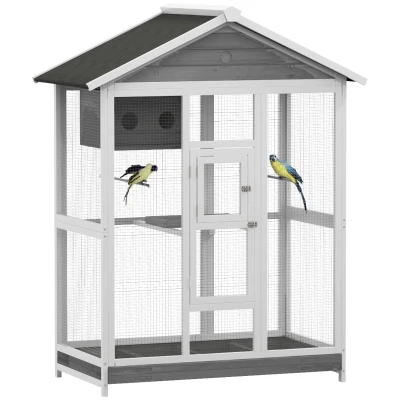
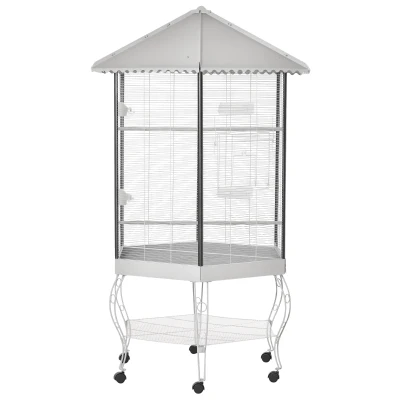

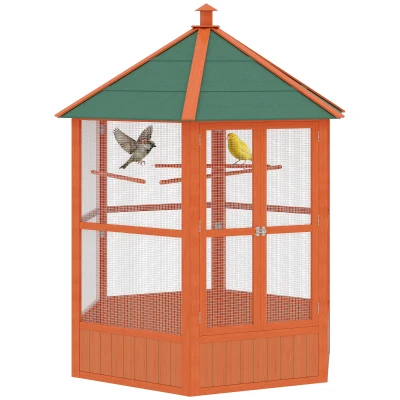
Bird Cages by PawHut
Match the cage to species and daily interaction
Bird Cages should start with the job it has to do: create a secure daily habitat with room for perching, feeding, and wing movement. The best option becomes clearer when you weigh living rooms, sunrooms, covered patios, and bird care areas and the habits of birds. For bird owners balancing visibility, cleaning, and secure housing, use this page as a practical comparison point: it narrows the product type, highlights the details that matter in daily use, and helps you decide whether the visible design actually solves the problem you are shopping for.
Compare bar spacing, doors, trays, and stands
The first comparison is fit. In this category, compare cage width and bar spacing with the bird species instead of choosing only by height. Then compare the product entities that change the experience most: metal bars, perches, feed cups, and slide-out trays. When product cards include options such as PawHut 65″ Rolling Bird Cage with Storage Shelf, PawHut 69″ Wooden Hexagonal Outdoor Bird Cage, Light Gray, and PawHut 64.5″ Wooden Bird Cage Aviary, Indoor/Outdoor, Gray, watch the product wording because terms such as raised, folding, wooden, metal, removable, rolling, large, portable, or waterproof; those words usually point to a real difference in how the item is built and where it belongs.
Cleaning, seed mess, and safe placement
Before choosing, imagine the first month of ownership. Slide-out trays and accessible doors make seed hulls, feathers, and droppings easier to manage. Safety should be checked in the same practical way: bar spacing, door locks, perch placement, and stable bases are the most important safety checks. These details often matter more than color because they affect how the product behaves after repeated use, cleaning, movement between rooms, outdoor exposure, or contact with claws, paws, beaks, bedding, food, water, or loose fur.
Move between bird categories by setup type
To compare PawHut options more confidently, start with bar spacing, tray access, door size, perch count, and cage footprint. When the photos look close, compare the details that change daily use: entry height, interior clearance, support points, fabric or frame material, tray access, door swing, caster locks, perch spacing, roof coverage, or the way the product folds and stores. If this page is close but not quite right, compare it with Large Bird Cages or Bird Cages with Stand and choose the category that fits the animal’s daily behavior, the available space, and the amount of maintenance you realistically want to do.
FAQs
What cage size should I consider for Bird Cages?
compare cage width and bar spacing with the bird species instead of choosing only by height
Why does bar spacing matter?
Bar spacing should match the bird species so the bird cannot squeeze through, get stuck, or feel unsafe when climbing.
Which daily-access features are worth comparing?
Look at metal bars, perches, feed cups, and slide-out trays, plus feeder doors, perch placement, tray handles, and whether accessories can be moved easily.
How do I reduce mess around the cage?
slide-out trays and accessible doors make seed hulls, feathers, and droppings easier to manage
What makes a PawHut bird cage safer?
bar spacing, door locks, perch placement, and stable bases are the most important safety checks
When should I compare with Large Bird Cages or Bird Cages with Stand?
Compare related pages if you are deciding between a tabletop cage, rolling cage, stand-mounted cage, or larger habitat.