 Free shipping on all orders
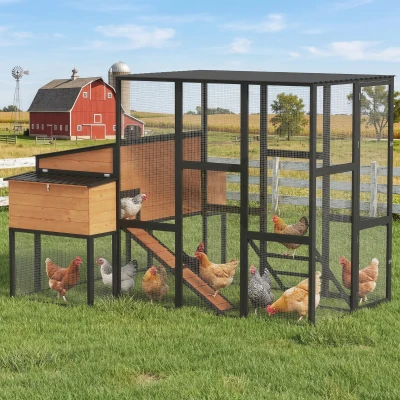
Chicken Coops
Large Chicken Runs
Compare PawHut Large Chicken Runs with Metal Run, Wooden Run, Walk-In options made for practical pet comfort, easier cleaning, sturdy everyday use, and home-friendly spaces.
Shop by Style

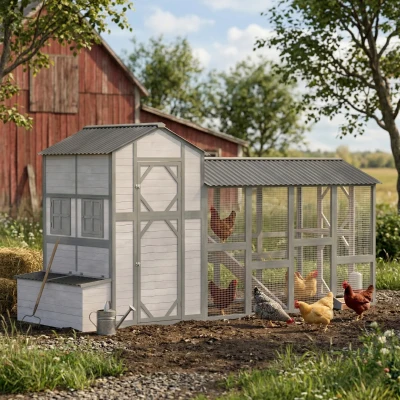
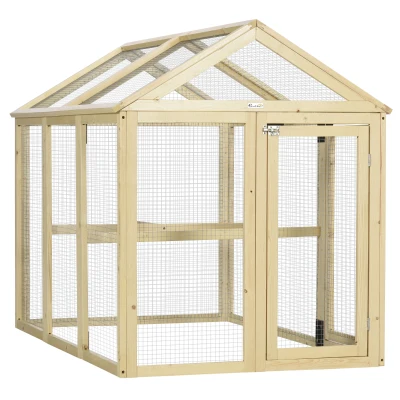
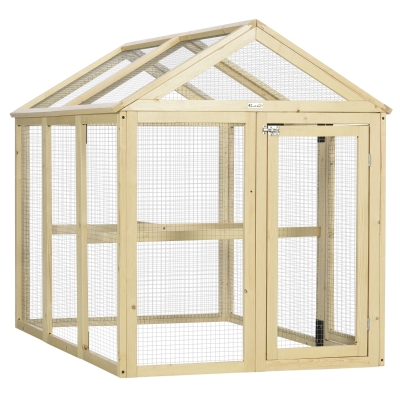
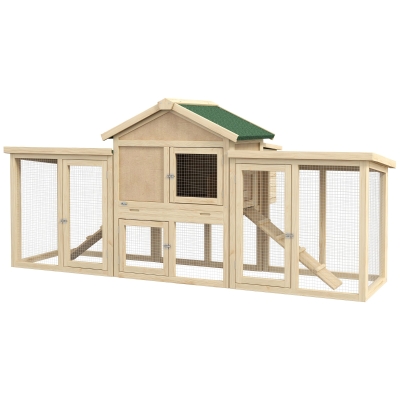
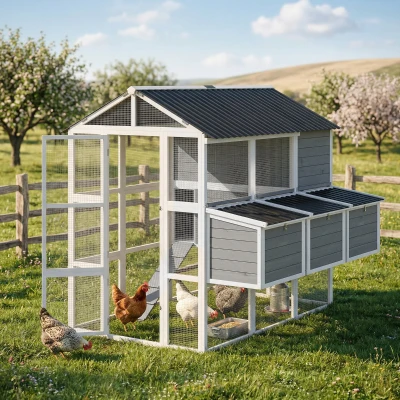
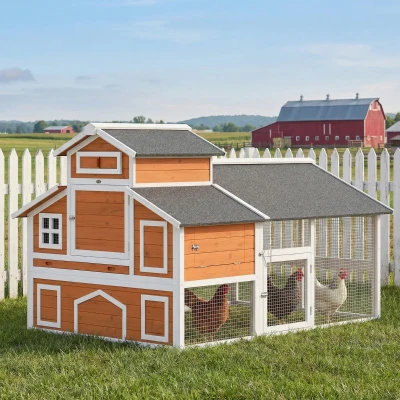

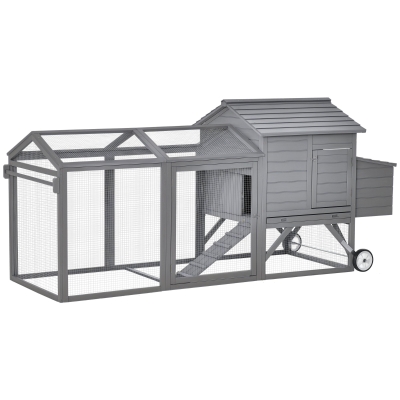
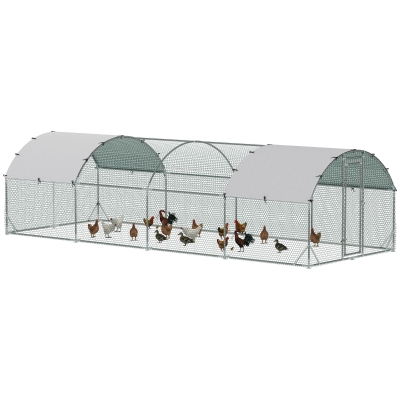
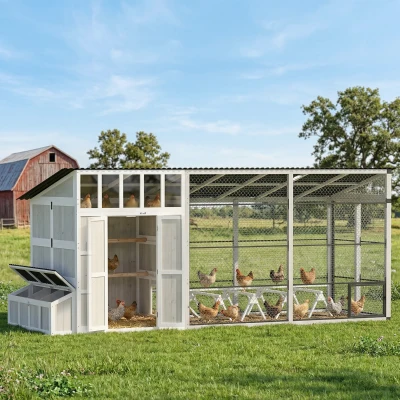
Large Chicken Runs by PawHut
Plan around flock size and daily chores
Large Chicken Runs should start with the job it has to do: provide expanded outdoor range for more birds or longer daily activity. A good match depends on more than the name; consider open yards, larger gardens, and dedicated poultry areas and the habits of chickens. For keepers who want space more than a compact coop footprint, treat the page as a shortlist for the real buying decision: it narrows the product type, highlights the details that matter in daily use, and helps you decide whether the visible design actually solves the problem you are shopping for.
Compare run space, nesting, roosting, and roof coverage
The first comparison is fit. In this category, measure the run against shade patterns, slope, and room for moving feeders or waterers. Then compare the product entities that change the experience most: walk-in height, long metal frames, anti-UV covers, and wide gates. When product cards include options such as PawHut 105″ Large Wooden Chicken Coop with Run & 2 Nesting Boxes, PawHut 10′ x 13′ Metal Chicken Run, Outdoor Hen House, and PawHut 147″ Extra Large Wooden Chicken Coop with Run, Gray, pay attention to modifiers such as raised, folding, wooden, metal, removable, rolling, large, portable, or waterproof; those words usually point to a real difference in how the item is built and where it belongs.
Cleaning routes and predator-aware details
Before choosing, think through the chores that happen after setup. Large runs are easiest to maintain when a person can enter without crouching and reach all corners. Safety should be checked in the same practical way: check panel connections, roof tension, gate latch reliability, and how the base meets uneven ground. These details often matter more than color because they affect how the product behaves after repeated use, cleaning, movement between rooms, outdoor exposure, or contact with claws, paws, beaks, bedding, food, water, or loose fur.
Choose the poultry category by the job
To compare PawHut options more confidently, start with walk-in height, run length, cover size, panel spacing, and anchoring. For close alternatives, start with the construction details: entry height, interior clearance, support points, fabric or frame material, tray access, door swing, caster locks, perch spacing, roof coverage, or the way the product folds and stores. If this page is close but not quite right, compare it with Metal Chicken Runs and choose the category that fits the animal’s daily behavior, the available space, and the amount of maintenance you realistically want to do.
FAQs
How many hens can use Large Chicken Runs?
Use the product's listed capacity as a starting point, then compare run space, roosting space, nesting access, and your flock's daily routine. Measure the run against shade patterns, slope, and room for moving feeders or waterers.
What weather details matter most?
Look for roof coverage, raised floors, water-shedding edges, ventilation, and materials suited to the spot where the coop or run will sit.
How do I make cleaning easier?
large runs are easiest to maintain when a person can enter without crouching and reach all corners
What predator-aware details should I check?
check panel connections, roof tension, gate latch reliability, and how the base meets uneven ground
Which product entities should I compare?
Compare walk-in height, long metal frames, anti-UV covers, and wide gates, plus footprint, access doors, and how feeders or waterers will fit.
When should I choose Large Chicken Runs over Metal Chicken Runs?
Choose this page when the current priority is provide expanded outdoor range for more birds or longer daily activity. If flock size, weather, or run space is the bigger issue, the related category may be a better starting point.